Why Daily Planning Helps You Feel Less Overwhelmed and More Organized
Daily planning isn't about productivity — it's about giving your mind permission to finally rest. A soft, honest guide to structure that supports the life you're actually living.

The real reason so many women feel mentally exhausted
For a long time, I thought my stress came from being too busy. But the truth was much deeper than that. I was mentally carrying everything at once — appointments, routines, work tasks, grocery lists, school reminders, family responsibilities, and the quiet list of things I needed to remember for myself. Eventually, my brain never truly rested. I constantly felt overwhelmed, forgot important things, struggled with routines, and ended every week feeling like I was always behind on life. What changed everything for me wasn't becoming 'more productive.' It was learning how to create structure in a softer, calmer way. That's where daily planning completely transformed my life.
Why planners are about so much more than tasks
Most people think planners are only about organizing tasks. But daily planning actually affects your mental well-being far more than people realize. When your thoughts stay trapped in your head all day, your nervous system never fully relaxes. A planner creates clarity. Instead of mentally juggling everything at once, you finally have visual structure, priorities, routines, mental space, and emotional relief. Honestly, that feeling alone can change your entire week.
The invisible weight women carry
Many women carry invisible responsibilities constantly — especially mothers, students, entrepreneurs, or women rebuilding their routines after stressful seasons of life. You remember things for your children, your home, your partner, your work, your future, your routines. And somewhere in the middle of all of that, you lose track of yourself. I noticed this in my own life too. I became so focused on keeping up with everyday responsibilities that I completely stopped checking in with my own needs, goals, routines, and mental health. Planning helped me regain that overview. Not perfectly. But gently.
The biggest mistake — overplanning
One of the biggest mistakes people make when starting a planner is trying to plan an unrealistic life. Perfect schedules. Perfect mornings. Perfect routines. And then they feel like failures when real life happens. Perfectionists tend to overplan — too many tasks, impossible schedules, unrealistic expectations, zero flexibility. The result is more stress instead of less. The goal of planning should never be perfection. The goal is support. Your planner should help your life feel calmer, easier, and more intentional — not more overwhelming.
What changed when I planned consistently
The biggest change I noticed after consistently planning my days was mental clarity. I stopped feeling like everything lived inside my head. I became less anxious, more present, calmer throughout the week, better at managing my home life, more focused at work, and more intentional with my time. Surprisingly, I also became better at self-care. When life feels chaotic, self-care is usually the first thing to disappear. But structure creates room for balance.
Simple habits that quietly change your week
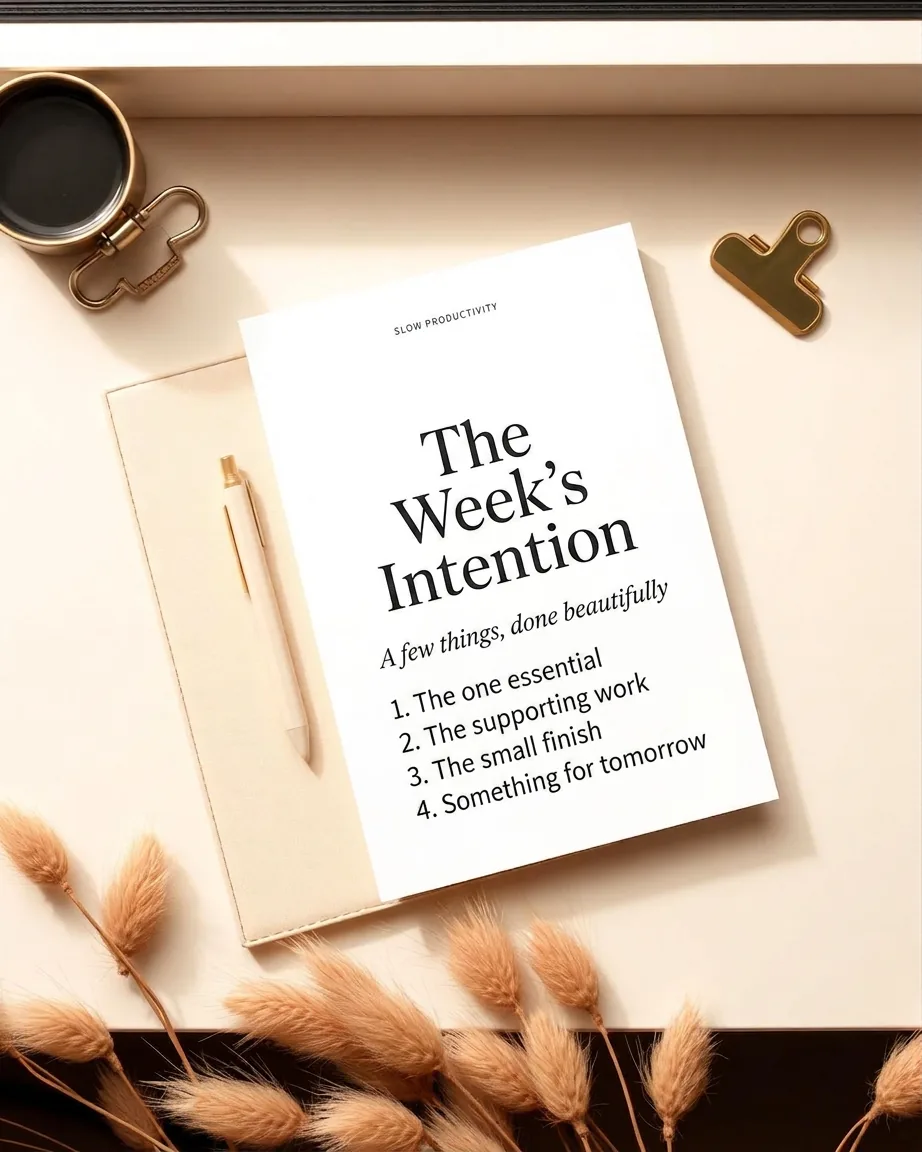
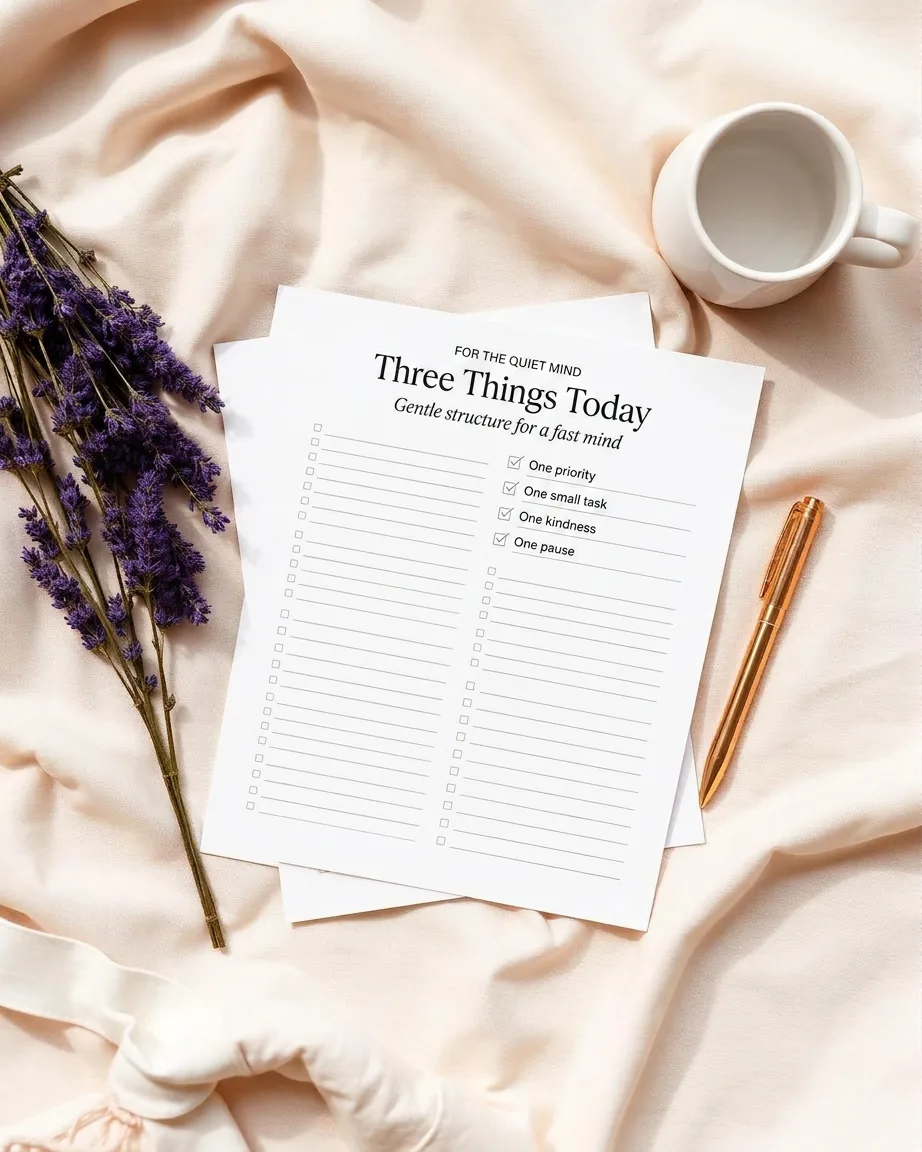
You don't need a complicated system to change your life. Every morning, I take a few quiet minutes to look at my priorities for the day. Not everything needs to happen today, and not everything is equally important — that mindset alone reduced so much pressure. Weekly resets help me feel mentally prepared instead of reactive; taking time to organize appointments, routines, meals, and responsibilities before the week starts creates a sense of calm that carries into everyday life. Instead of writing endless to-do lists, I focus on the few things that truly matter most. That small shift helped me stop feeling constantly behind.
The underrated emotional benefits
The emotional benefits of planning are honestly underrated. Planning has helped me sleep better, reduce anxiety, feel more grounded, stop forgetting important things, feel more present with my family, and enjoy my routines more. When your life has structure, your mind can finally breathe. And that changes everything.
You don't need to be organized to start
You don't need to already be organized to start planning. In fact, many women begin planning because life already feels overwhelming. Daily planning isn't about becoming perfect — it's about creating enough structure that your days feel softer instead of chaotic. Over time, those small moments of organization create something much bigger: peace, balance, confidence, calm routines, better habits, and a more intentional life.
Daily Planning Benefits at a Glance
• Less mental clutter
• Reduced stress and overwhelm
• Better focus throughout the day
• Improved routines and habits
• More intentional use of time
• Better work-life balance
• Increased mental clarity
• Greater consistency with self-care
• Fewer forgotten tasks and appointments
• A calmer, more organized week
Frequently Asked Questions About Daily Planning
How long should daily planning take?
Most people only need 5–10 minutes each morning to review priorities, appointments, and responsibilities. Daily planning works best when it feels simple and sustainable rather than overwhelming.
Can daily planning help reduce stress?
Daily planning cannot remove stress completely, but it helps reduce mental overload by creating structure, clarity, and a clear place to organize responsibilities.
What if I never stick to a planner?
The goal is not perfection. Even planning a few days each week can improve awareness, focus, and overall organization. A planner should support your life, not become another source of pressure.
Is paper planning better than digital planning?
Both methods can work well. Many people prefer paper planners because writing things down can improve focus, memory, and mental clarity.
Why does planning improve mental clarity?
Planning helps move responsibilities, reminders, and ideas out of your head and onto paper. This reduces mental clutter and allows your mind to focus on what matters most.
A gentle final word
If you constantly feel overwhelmed, mentally exhausted, or like life is moving faster than you can keep up with, daily planning may be one of the simplest tools that can truly change your everyday life. Not because it makes life perfect — but because it helps life feel manageable again. And sometimes, that calm feeling is exactly what we've been missing all along.
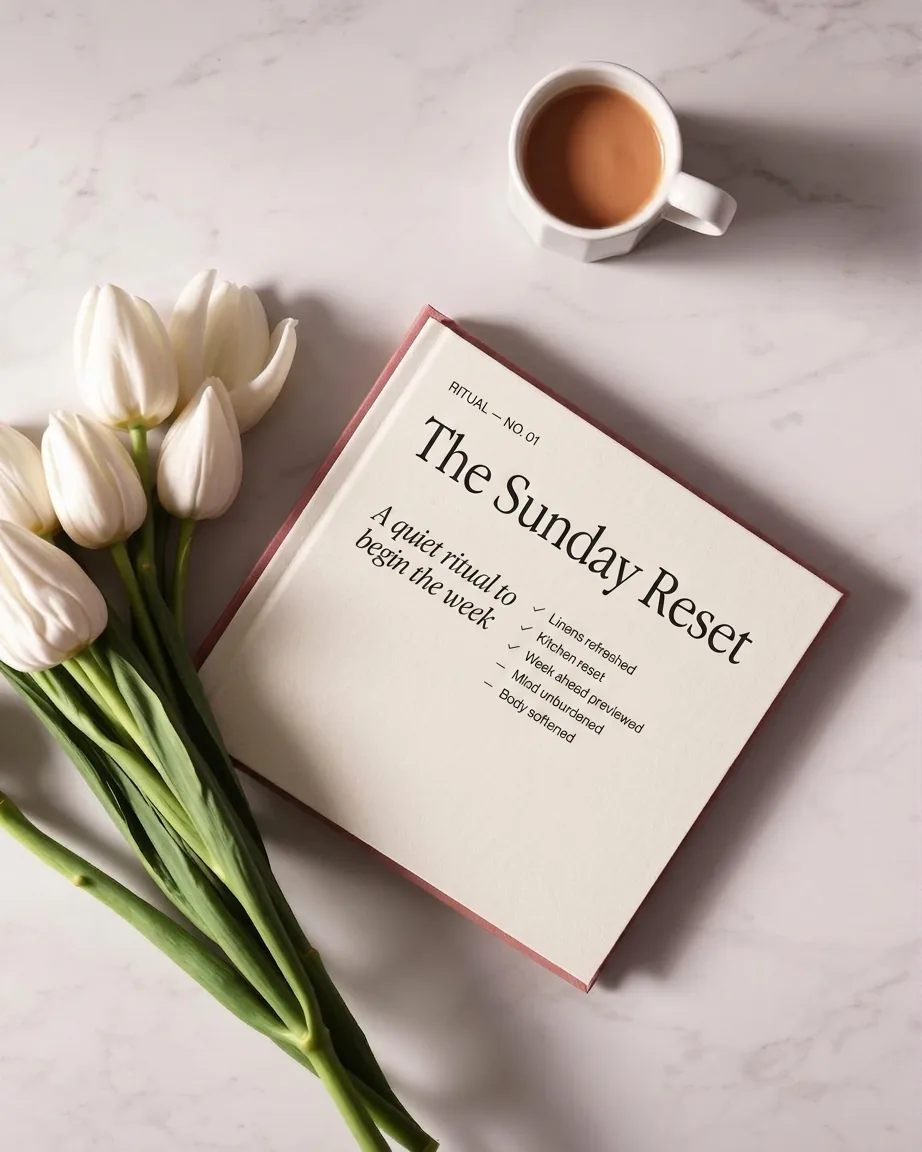
The Sunday Reset Checklist.
Join the WICME newsletter and we'll send the Sunday Reset Checklist free — a simple system for clearing your mind and organising your week.
Explore The ChecklistReceive Quiet Letters From WICME
Thoughtful reflections, gentle planning rituals, and intentional living inspiration delivered occasionally.