Digital vs. Paper Planner: Which One Will You Actually Use?
After trying both digital and paper planners, I finally understood why consistency matters more than perfection — and why the right format depends on who you actually are, not who you want to be.
Why most people quit using planners
There's something ironic about modern productivity culture. We have more apps, systems, reminders, calendars, and digital tools than ever before — yet so many people still feel overwhelmed, mentally scattered, and behind on life. I used to think the problem was discipline. Maybe I just needed to try harder. Buy a better planner. Wake up earlier. Set bigger goals. Become 'more organized.' But honestly, that mindset was exactly what made me quit planning over and over again. The planners were too big. Too structured. Too ambitious. I filled them with unrealistic expectations, tried to change my whole life overnight, and after two weeks I usually gave up completely. What finally changed things for me wasn't becoming more productive. It was learning how to make planning feel lighter.
Digital vs. paper planner: what actually worked for me
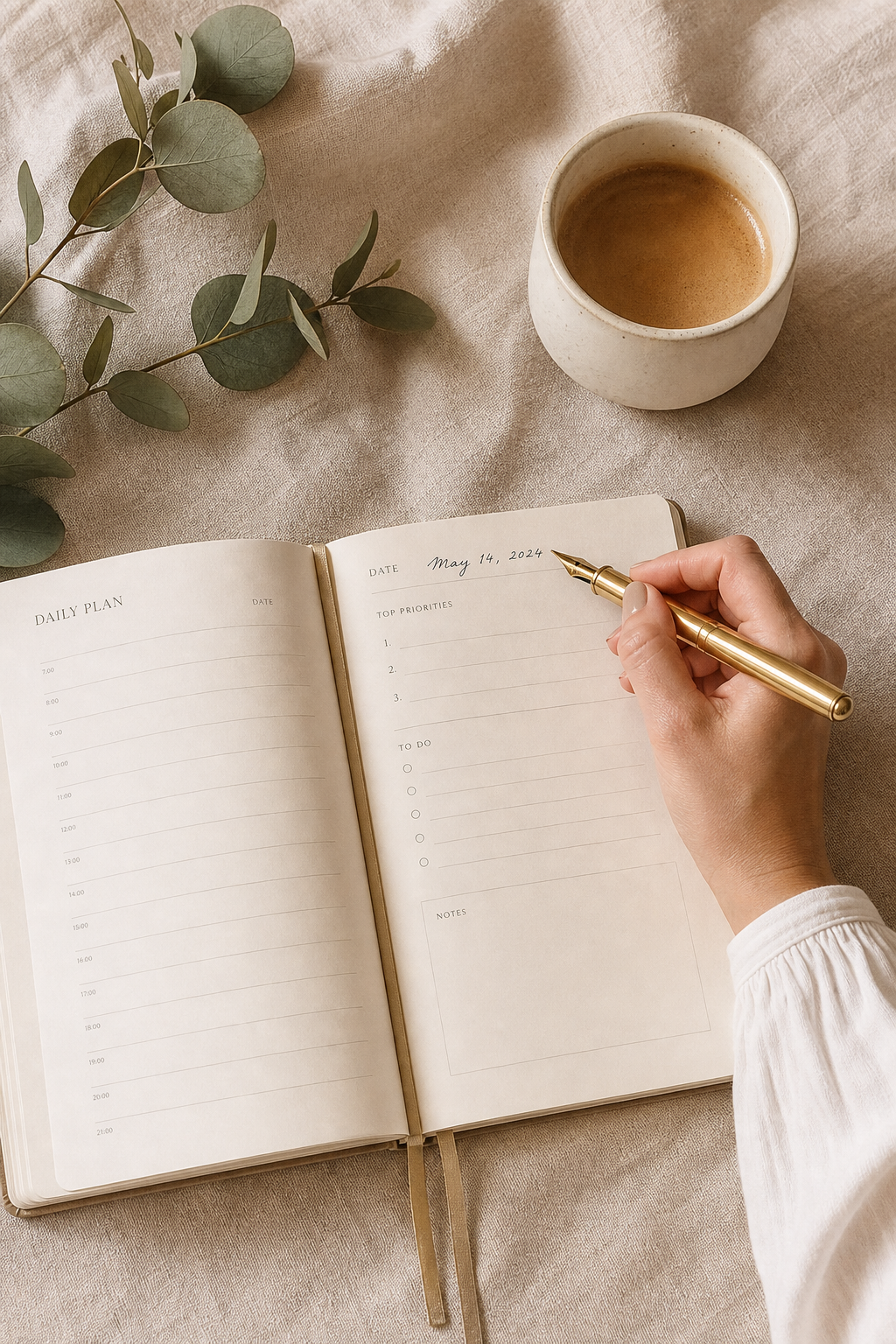
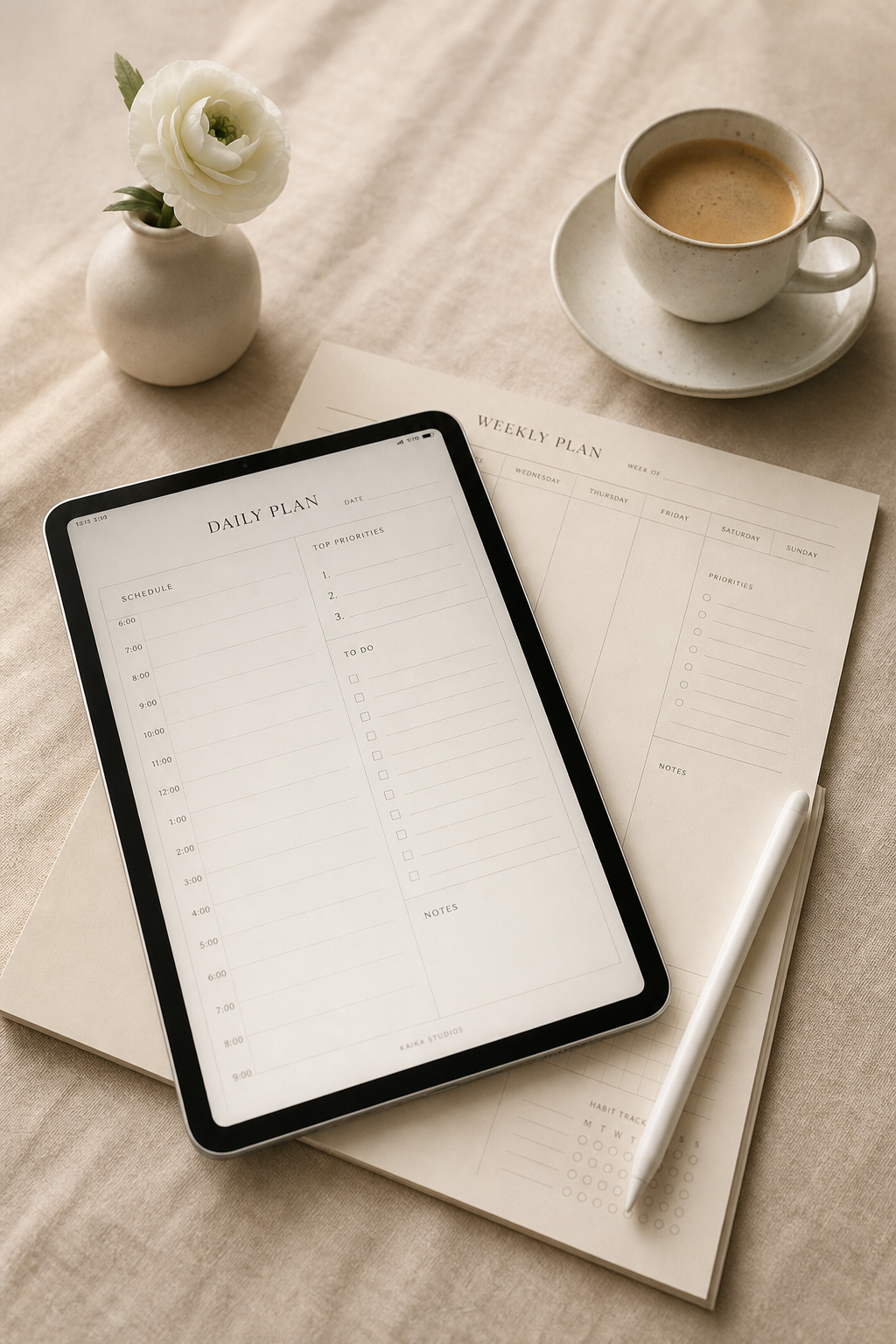
I've tried both digital and paper planners. And personally, paper changed everything. Digital planning always sounded ideal in theory. Everything synced. Everything looked clean. Everything was accessible. But in reality, I got distracted constantly. I'd open my iPad or phone to check my planner and suddenly I was replying to messages, scrolling, checking emails, or doing ten other things I never intended to do. With paper, the experience felt completely different. Writing things down by hand made me feel more connected to what I actually needed to do. I could physically see my week, cross things out, and track progress in a way that felt real. There's also something deeply satisfying about using a pen and seeing your plans in front of you, black on white. It reminds me a bit of physical money versus digital money. When you use cash, you naturally feel more aware of what you spend. You can physically see it leaving your hands. But digitally, it becomes abstract. Planning feels similar. When everything lives inside a screen, it's easier to lose clarity. Paper slows things down in a good way. It creates awareness.
Why daily planning changes more than just productivity
What surprised me most about planning wasn't that I became 'more productive.' It was how much calmer I became. Before planning consistently, everything lived inside my head. Tasks felt bigger than they actually were. I postponed simple things for no reason. I constantly felt like I was forgetting something important. Now, most things get done the same week I write them down. Not because I suddenly became perfect — but because I stopped mentally carrying everything at once. Planning gave me better sleep, better priorities, less mental clutter, more ease in everyday life, a stronger feeling of control, and more time for things I actually enjoy. And honestly, that matters more to me than productivity ever did. Because what's the point of organizing your life if you never actually get to enjoy it?
The burnout story that changed my perspective
I used to work with someone who looked like she had everything together. She had a family, two kids, a stable relationship, a career — everything looked perfect from the outside. But eventually she became severely burned out and had to take time off work. What none of us saw was the invisible mental load she was carrying. She worked extra on the side to earn more money for her family. She constantly had things to think about. Everything stayed in her head all the time. When she started recovering, someone recommended introducing planners and weekly structure into her life. Not in a rigid way. Just enough to help her prioritize, organize her thoughts, and stop carrying everything mentally at once. According to her, it changed everything. Today she's doing incredibly well and works in a leadership position at a well-known company. That story stayed with me because it showed me that planning isn't just about productivity. Sometimes it's about protecting your mental health.
How to finally stick with a planner without giving up
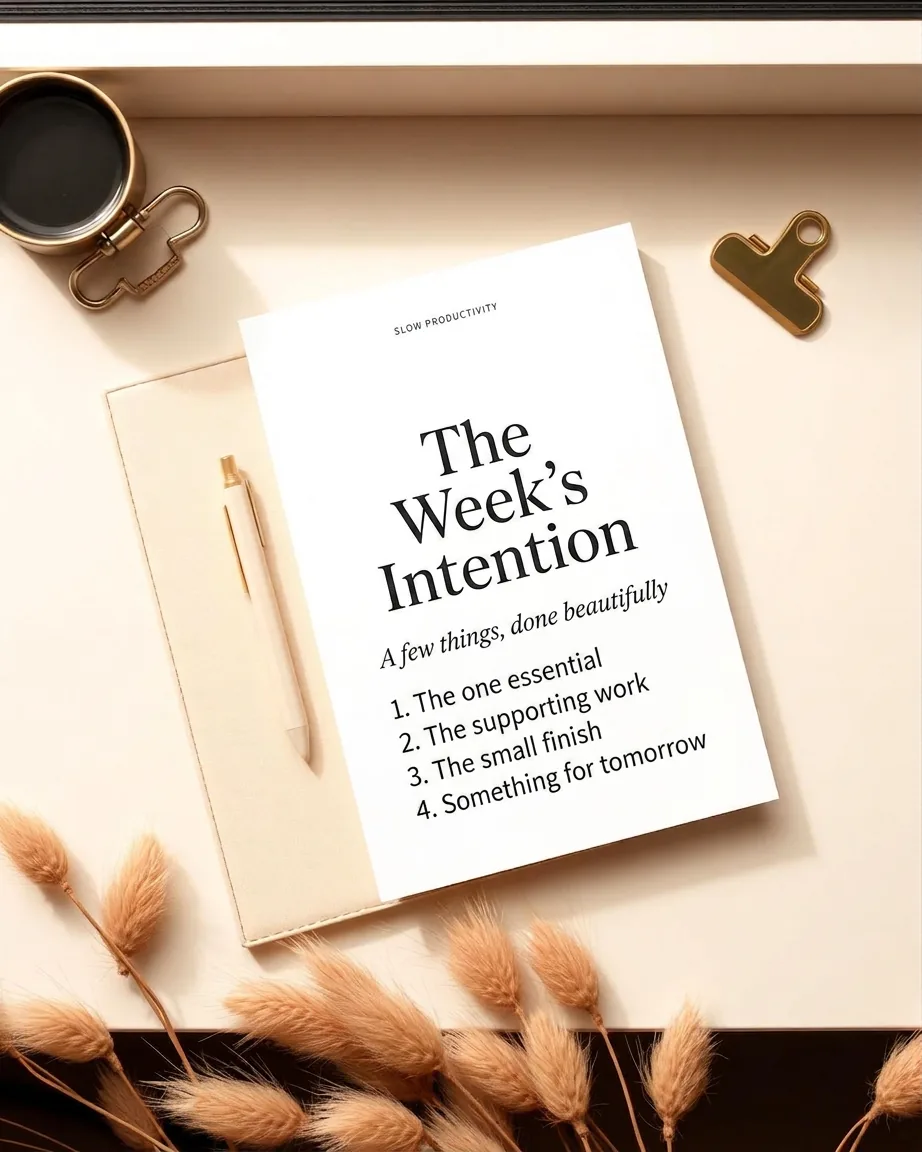
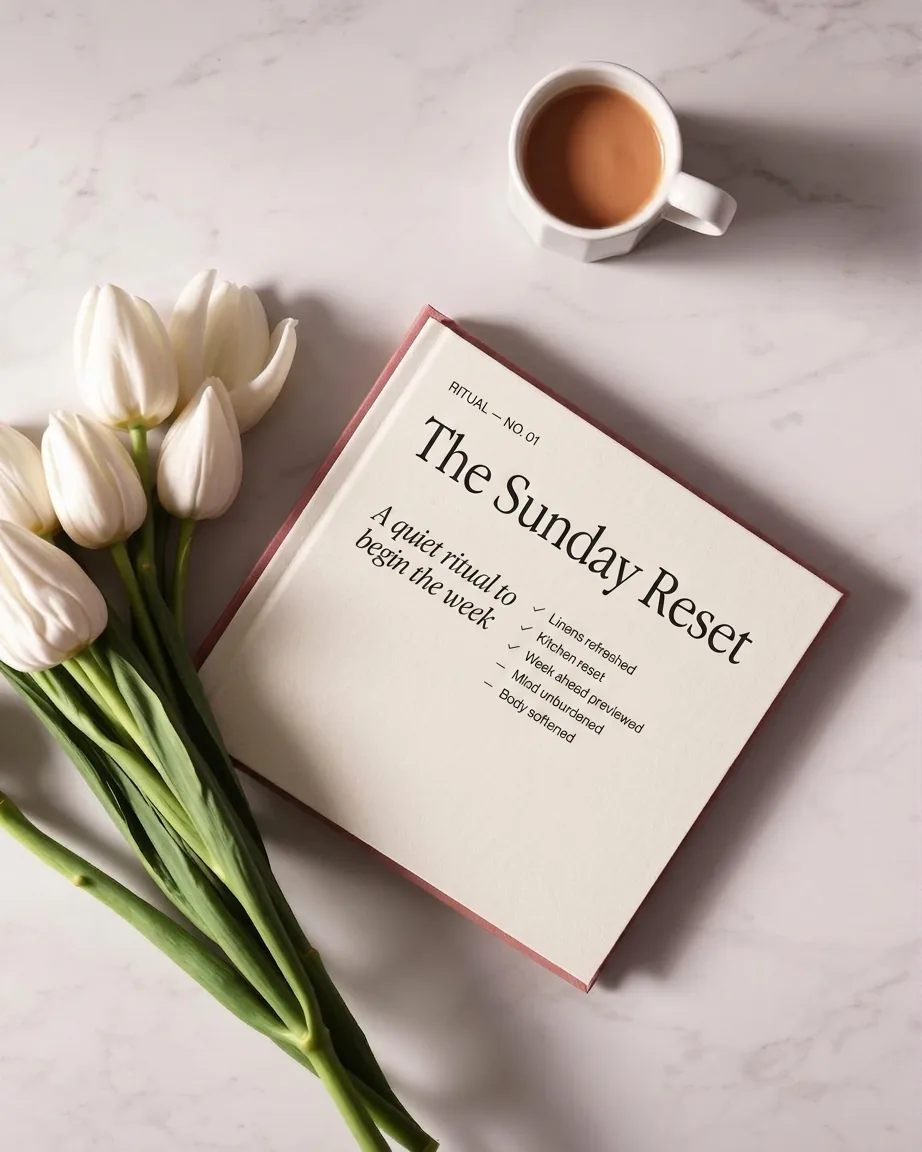
The biggest thing that helped me stay consistent was lowering my expectations. Not raising them. At first, I stopped trying to plan my entire life. Instead, I created a simple routine: planning every Sunday after breakfast, a mid-week reset every Wednesday, and spending around 15–30 minutes reviewing my week. That was enough. And because it felt manageable, I actually kept doing it. Over time, I naturally became more organized without forcing it. I also realized something important: not everything that feels urgent is actually important. Planning helped me separate real priorities from unnecessary stress.
The planner that felt different
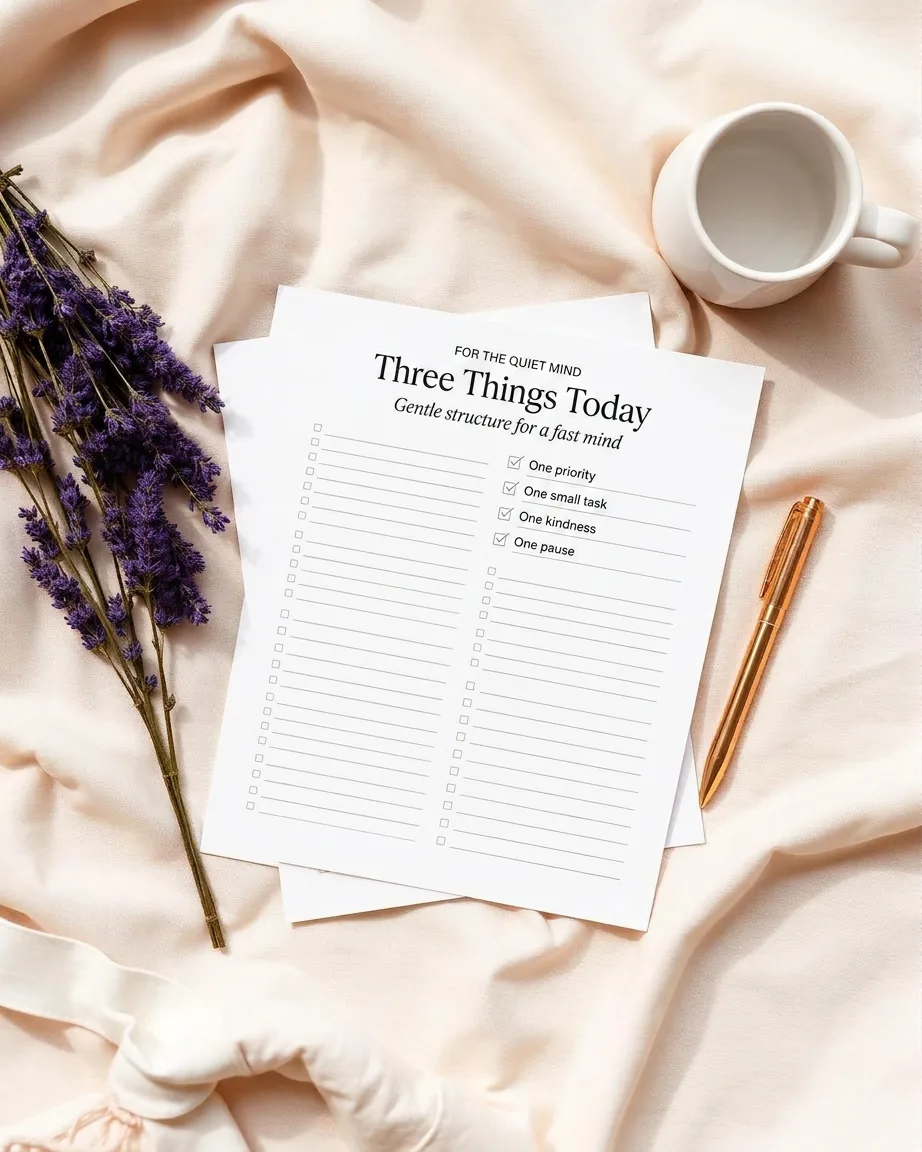
One reason I eventually became more consistent was because I found a system that didn't feel overwhelming. Most planners I had tried before felt loud, overly structured, or designed to squeeze maximum productivity out of every hour. What I appreciated about WICME was that it felt calmer. The layouts felt intentional. Softer. More reflective. It didn't feel like a productivity brand trying to optimize my entire life. It felt more focused on clarity, balance, and creating structure that actually feels sustainable. The daily checklists and weekly overviews especially worked well for me because they gave enough structure without making life feel robotic. And I think that's important. A planner shouldn't feel like pressure. It should feel like support.
Final thoughts: choose something over nothing
If there's one thing I've learned, it's this: you don't need the perfect planner. You just need a starting point. Try different systems. Test different formats. Be open-minded. Give yourself permission to do it imperfectly. Some people will love digital planning. Others will need paper. Some people need detailed structure. Others only need a simple weekly overview. The important thing is finding something that works for your real life — not the version of life social media tells you to have. Because planning, at its best, isn't about becoming a machine. It's about creating enough clarity and structure that you can finally breathe, feel calmer, and enjoy your life a little more.
Create a calmer weekly rhythm
A gentle editorial system for women who want clarity, structure, and quiet ambition — without the overwhelm.