How to Finally Stick With a Planner Without Giving Up After Two Weeks
Most women don't quit planning because they're lazy — they quit because they expect it to fix everything overnight. A soft, honest guide to building a planner habit that actually lasts.
Why most people quit planning so quickly
Have you ever bought a beautiful planner, felt motivated for a few days, and then suddenly stopped using it completely? You're not alone. Most people don't fail at planning because they're lazy or unorganized. They quit because they expect planning to instantly fix their lives overnight. We live in a world obsessed with quick results — quick motivation, quick transformations, quick fixes. And when we don't immediately feel different after using a planner for a few days, we often fall back into autopilot and old habits again. I struggled with this myself. I didn't have patience to wait for the real results of planning because I wanted everything to improve instantly. But what I eventually realized is that planning is not about changing your entire life in one week. It's about creating small changes that slowly make everyday life feel calmer, easier, and more manageable. And honestly, those small changes become life-changing over time.
The biggest mistake people make with planners
One of the biggest reasons people give up on planning is because they start with unrealistic expectations. Social media often shows perfectly organized lives, aesthetic color-coded schedules, flawless routines, and 'productive girl' lifestyles that seem effortless. But real life doesn't work like that — especially if you're a busy mom, working full-time, studying, mentally overwhelmed, rebuilding routines, or balancing family life. Planning should simplify your life, not make you feel like you're failing at another impossible standard. The more complicated your planner system becomes, the harder it usually is to maintain long-term. That's why simple planning almost always works better.
What actually helped me stay consistent
The biggest shift for me happened when I stopped trying to plan a perfect life. Instead of setting huge unrealistic goals, I started focusing on smaller goals that actually felt possible. And something surprising happened: I finally started seeing progress. Small goals create momentum. When you complete small tasks consistently, you naturally become more motivated to continue. That feeling of 'I'm actually getting things done' creates confidence instead of pressure. Planning also helped me feel more relaxed in the evenings, less mentally overloaded, calmer throughout the week, more aware of my priorities, and less stressed at home and work. And when life at home feels more organized, everything else usually improves too.
Why writing things down on paper works better
One thing I strongly believe is that we spend far too much time on screens already. Phones, TVs, iPads, computers, notifications everywhere. Our brains rarely get a real pause anymore. That's why I think printable planners and physical planning feel so powerful. Writing things down on actual paper forces you to slow down for a moment. It creates reflection. It gives your thoughts a physical place instead of keeping everything trapped inside your mind. Brain dumps especially helped me a lot. Taking a piece of paper and simply writing down thoughts, tasks, reminders, worries, and goals can instantly reduce mental overwhelm. Sometimes clarity starts by simply getting things out of your head.
Planning doesn't need to take much time
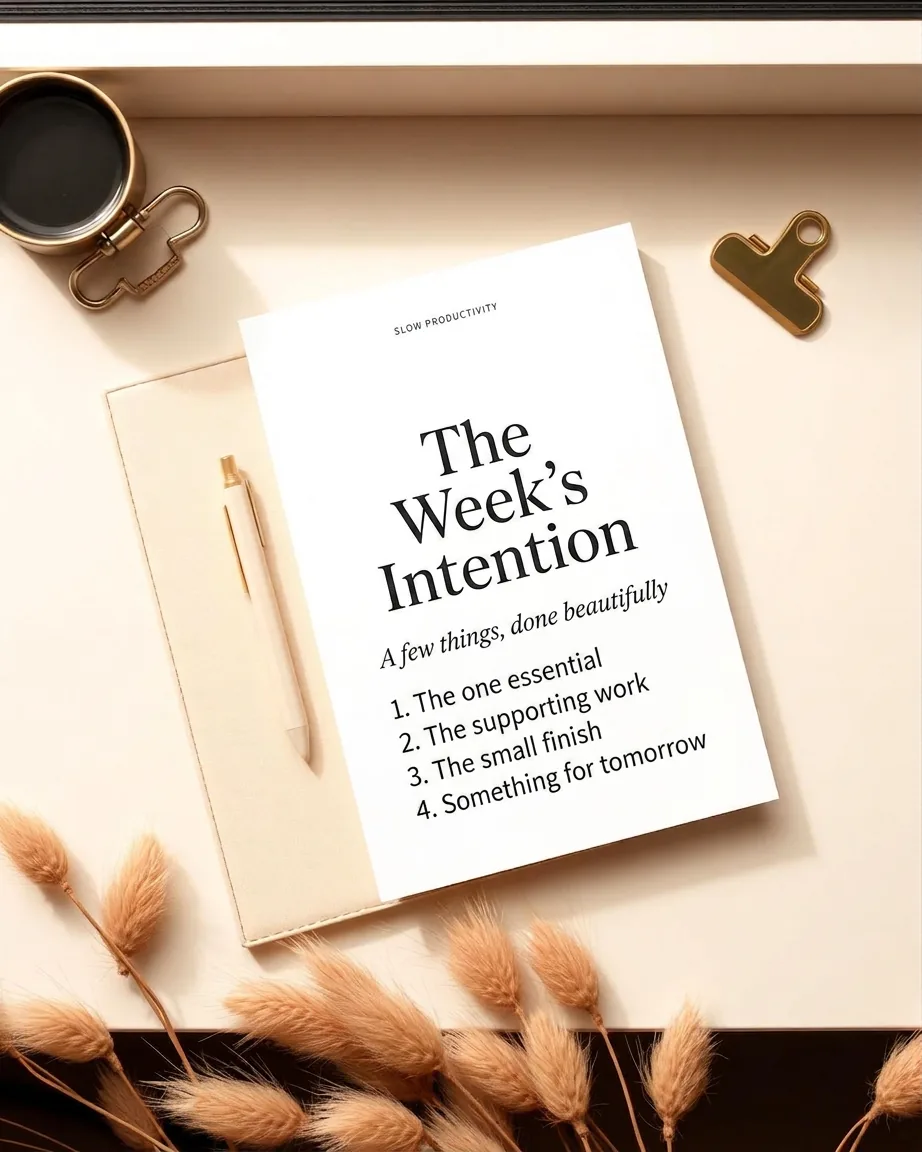
A lot of people think planning requires hours every day. It doesn't. Even pausing for five minutes in the morning, two minutes during the day, a quick evening check-in, and a small weekly reset can make a huge difference over time. Planning is not about controlling every hour of your life. It's about creating enough structure that your mind can relax.
Planning looks different in every season of life
One important thing I've learned is that planning should adapt to your life — not the other way around. Your routines will naturally look different depending on motherhood, work, stress levels, studying, relationships, healing periods, and different ages and responsibilities. And that's okay. There is no single 'right way' to plan. Social media often makes people feel like there's one perfect method, but the truth is: the best planner system is the one that actually supports your real life. Not someone else's highlight reel.
The emotional benefits of consistent planning
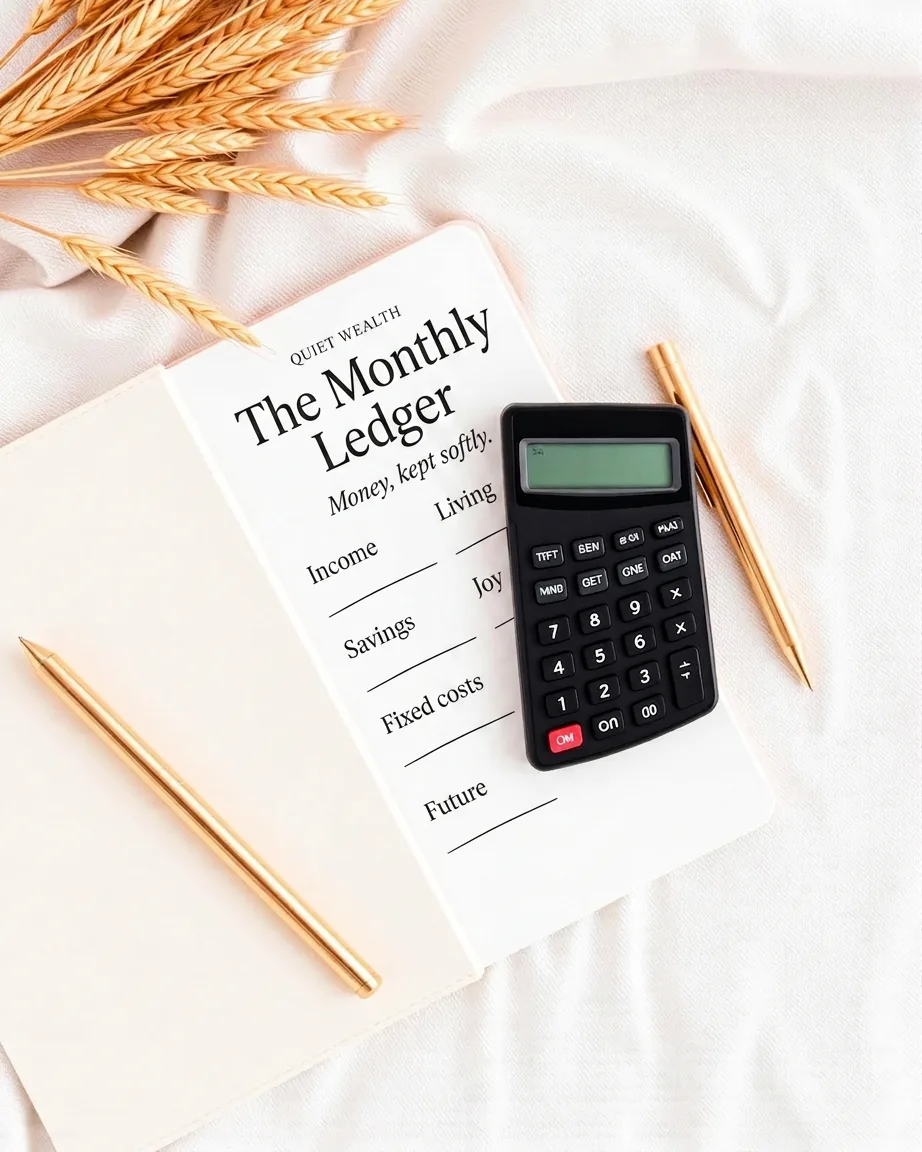
The biggest benefits of planning are honestly emotional. When I stay consistent with planning, I feel happier, calmer, more present, less stressed, more focused, and mentally lighter. I also noticed better well-being, more quality time with family and friends, better concentration, and even better control over finances. Because when things feel organized, your energy is no longer constantly spent trying to remember everything. You finally have space to enjoy life more.
How to build a sustainable planner habit
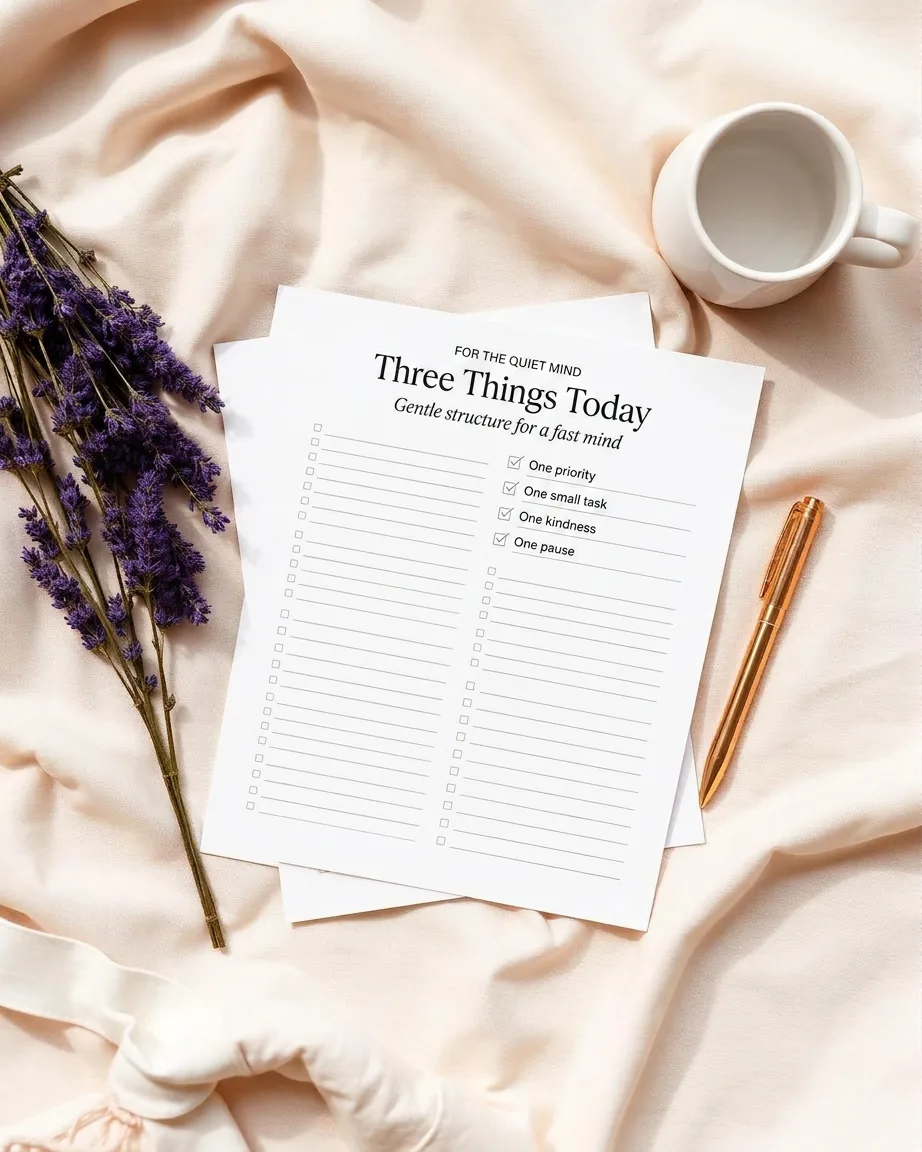
If you want planning to actually become a lasting habit, keep it simple. Start small — don't try to organize your entire life overnight. Focus on a few important priorities instead of endless to-do lists. Use paper instead of your phone, and give your brain a break from constant screen exposure. Celebrate small wins: cross things off, acknowledge progress, reward yourself even for small achievements. And stop comparing yourself — your planner should support your life, not someone else's version of perfection online.
Final thoughts
Creating structure in your everyday life is for everyone. Young or old. Busy or rebuilding. Working, studying, parenting, healing, or simply trying to feel more in control again. Planning doesn't need to be perfect to change your life. Sometimes the most powerful thing you can do is simply sit down, write things out on paper, and create a small moment of clarity in the middle of a busy world. And once you start seeing those small positive changes, motivation naturally follows. Because little by little, planning stops feeling like another task — and starts becoming a form of self-care.
Create a calmer weekly rhythm
A gentle editorial system for women who want clarity, structure, and quiet ambition — without the overwhelm.